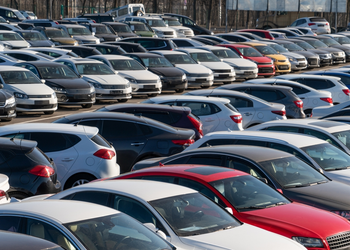
Senegal Bamako Road Trip preparation requires careful checks of tyres, brakes, fluids, spare parts, and emergency equipment before a long cross-border journey.
Car Tips: How to Prepare Your Car for Long Senegal-Bamako Road Trips
The Dakar-Bamako corridor is an important regional transport route connecting Senegal with landlocked Mali. Senegal’s newly opened Mbour-Fatick-Kaolack toll highway is also intended to improve movement toward the country’s central and eastern regions and strengthen connections along the wider corridor.
However, a long cross-border journey requires more preparation than an ordinary city drive. Anyone considering a Senegal Bamako Road Trip should check the vehicle carefully before departure and confirm current border, road, and security conditions.
Start With a Complete Vehicle Inspection
A long-distance journey puts considerably more kilometres on a vehicle than normal urban driving. Before departure, inspect the engine oil, coolant, brake fluid, transmission fluid and windscreen-washer fluid.
Look underneath the car for leaks and check belts, hoses and battery terminals. Warning lights should also be investigated rather than ignored.
Tyres deserve particular attention because a damaged tyre can become a major problem far from a workshop. Check tread depth, pressure and the condition of the sidewalls, including the spare tyre.
Check Brakes and Suspension
Brakes should be inspected before a Senegal Bamako Road Trip, especially if the vehicle will be heavily loaded. Check the brake pads, discs or drums and make sure the brake pedal feels normal.
Suspension components should also be checked for worn bushes, damaged shock absorbers, or unusual noises. Long stretches of driving can expose weaknesses that may not be obvious during short urban journeys.
Carry the Right Spares and Equipment
A long journey should not depend entirely on finding a parts shop when something fails. Drivers can reduce delays by carrying basic equipment appropriate for their vehicle.
Useful items include a properly inflated spare tyre, jack, wheel-brace, tyre-pressure gauge, warning triangle, flashlight, jumper cables and basic tools. A tyre repair kit and portable compressor can also be useful.
It is worth checking whether the vehicle uses a wheel-lock key and keeping it somewhere accessible.
For motorists comparing vehicles and specifications before undertaking long regional journeys, AfriCarGroup Auto24 can also be useful for researching different models.
Plan Fuel Stops Carefully
Fuel planning becomes more important as the distance between major towns increases. Drivers should identify suitable refuelling points before leaving and avoid relying on the assumption that the next station will always have fuel available.
Keeping the fuel tank comfortably above empty can provide additional flexibility if traffic, road conditions,or unexpected delays change the schedule.
The same principle applies to drinking water and essential supplies. A long-distance vehicle should be prepared for delays rather than planned around a perfect timetable.
Check Weather and Road Conditions
Senegal’s rainy season can create additional challenges. Heavy rainfall can cause flooding and damage roads, while authorities advise against using some tracks during the July-to-October rainy period.
A Senegal Bamako Road Trip should therefore be planned around current weather and road conditions rather than relying solely on information from an earlier journey.
Drivers should also avoid unnecessary night driving. Senegal’s official travel guidance highlights the risks associated with poor lighting, pedestrians,a nd interurban travel after dark.
Check Documents Before Crossing the Border
A cross-border road journey requires more documentation than a domestic trip. Drivers should confirm passport, vehicle registration, insurance, and any required border or entry documentation before departure.
It is also sensible to keep physical and secure digital copies of important documents.
Most importantly, current security conditions need to be checked before departure. As of September 2026, official guidance advises particular caution near Senegal’s border with Mali, while the UK and Canadian governments advise against travel to Mali because of serious security risks.
Build Flexibility Into the Journey
A long-distance trip should have extra time built into the schedule. Border procedures, mechanical problems, weather, and road conditions can all create delays.
Rather than driving according to a rigid timetable, motorists should have a contingency plan and reliable communication method available.
Conclusion
A Senegal Bamako Road Trip requires more than filling the fuel tank and checking the navigation system. Tyres, brakes, fluids, suspension, spare equipment and vehicle documents should all be checked before departure.
Road and weather conditions also need to be monitored throughout the journey, while the current security situation is especially important on routes approaching Mali. A well-prepared vehicle can reduce mechanical surprises, but it cannot eliminate wider travel risks.
What is the first thing you check before taking your car on a long West African road trip? Share your road-trip preparation tip in the comments.